New global sending domains for sending profiles
BullPhish ID now supports two new global sending domains, giving you more flexibility when configuring phishing simulation sending profiles. This makes it easier to align sender identities with the kinds of notifications your users expect to see in their inboxes.
The domains x-notices.cloud and zoom-meetingnotice.email are available as shared global sending domains that you can select when creating or updating a sending profile. A sending profile controls the address shown in the From field for your targets, and you can choose to match the sending profile domain to the global sending domain for more realistic campaigns.
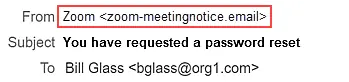
With more domain options, you can vary sender addresses across campaigns, better mimic the vendors and notifications users actually see and reduce the chance that simulations are dismissed as obvious tests. This helps you run more effective training, capture genuine behavior and strengthen user awareness over time.
Learn more about new global sending domains for sending profiles for BullPhish ID here.
One Complete Platform for IT & Security Management
Kaseya 365 is the all-in-one solution for managing, securing, and automating IT. With seamless integrations across critical IT functions, it simplifies operations, strengthens security, and boosts efficiency.

Best IT documentation software in 2026: Features, benefits & top tools
Discover the best IT documentation software for MSPs and IT teams, compare leading tools and learn how to simplify IT operations and asset management.
Read now
5 best N-able alternatives for IT management in 2026
Compare the 5 best N-able alternatives in 2026. Discover key features, pricing and how each solution stacks up across RMM, PSA and IT documentation.
Read now
5 best ConnectWise alternatives in 2026
Discover the 5 best ConnectWise alternatives for 2026. Explore key features, pricing and capabilities across RMM, PSA and IT documentation.
Read now